India has reached to a level of self-sufficiency in the production of cereals, pulses and oil-seeds after the ‘Green Revolution’ lead by Dr. Norman Borlaug.
Cereals, Pulses, Oil-seeds have become an increasingly important agriculture commodity, with a steady increase in annual production worldwide.
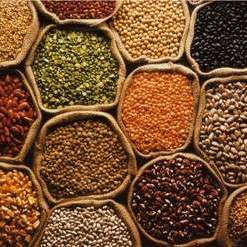
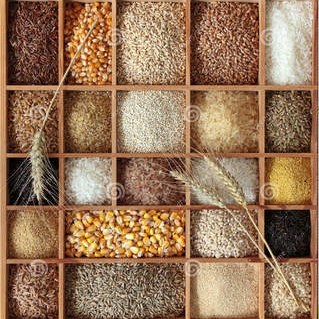


CEREALS
Cereals are obtained mainly from ‘Grass Family’. They classified into following two groups –
- Major cereals : Wheat, Rice, Maize
- Minor cereals : Pearl millets, Sorghum, Finger-millets, Barley
Composition of Cereals :
| Carbohydrates | 65 to 75 % |
| Protein | 6 to 12% |
| Fat | 1 to 5 % |
| Minerals | 2% |
| Water | 10 to 12% |
Cereals products :
1. Wheat :
Wheat is the one of the most commonly cultivated cereals in the world . We consume wheat in the form flour of Indian breads like chapatti, puri, paratha etc.
Wheat Products —
Whole wheat, broken wheat (dalia), Semolina (rawa), whole wheat flour (Atta), Refined wheat flour (maida), Pasta products – Macaroni, lasagna , spaghetti, fettuccine, vermicelli etc.
2. Rice :
Rice is a second most common cereal consume in India.
Rice Products —
Brown rice, Unpolished rice, polished rice, parboiled rice, puffed rice, flaked rice etc.
Principles involved in cereals cookery :
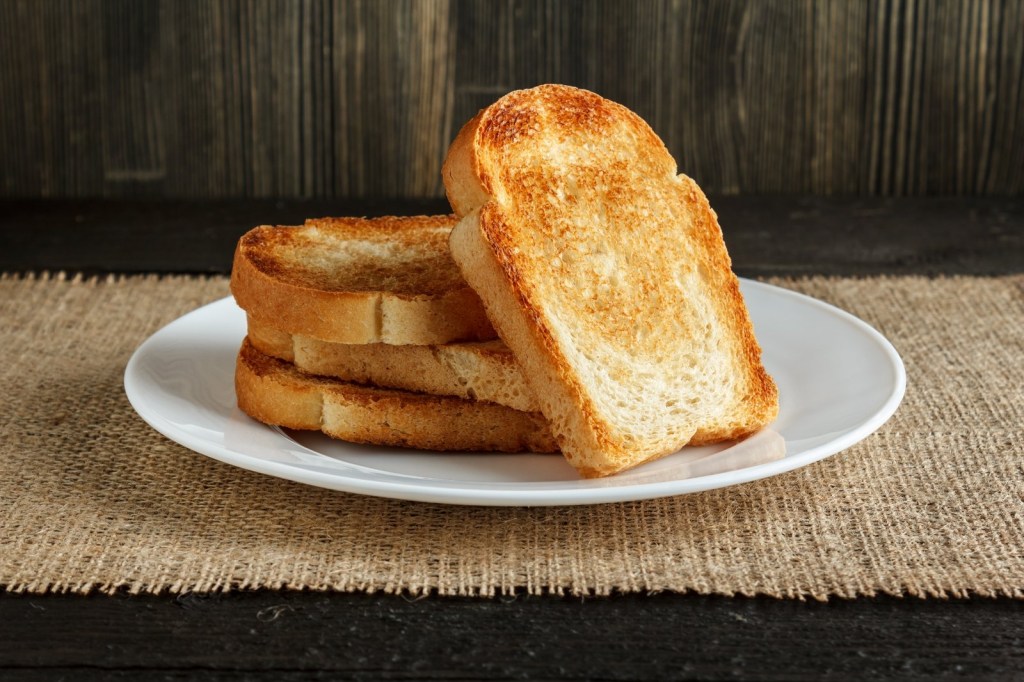
1. Effect of Dry heat on starch (Dextrinization)
Dextrinization is process in which on application of dry heat, some starch granules breakdown into dextrin. We all know that change in aroma and color of rawa when it is roasted for preparation of sheera or upma. These changes is due to the breakdown of starch in rawa into another poly-saccharide into dextrin.
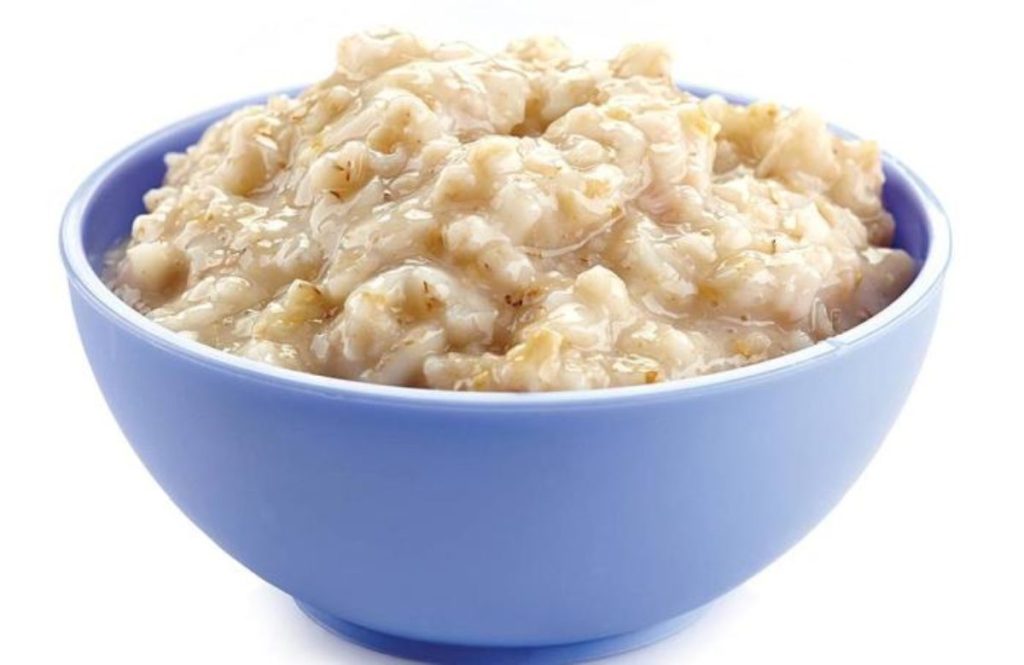
2. Effect of moist heat on starch (Gelatanization)
Gelatanization is process by which starch granules when heated in water, absorb water and swell up making the solution thick and translucent.
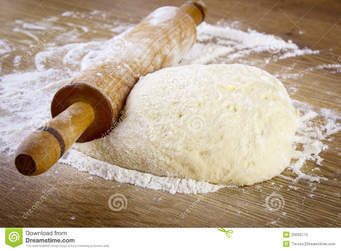
3. Gluten formation
‘Glutenin and gliadine’ are main constituent of wheat Protein. When water is added to Wheat flour kneaded and manipulated, gluten and gliadine form a gluten network. Gluten formation makes the dough elastic and springy and easy to handle.
4. Identity of grain
Cereals grains and particle do not stick to one another and remain separate. This is called maintaining the identity of grain.
5. Fermentation
Fermentation refers to the breakdown of carbohydrates under aerobic and anaerobic conditions. Fermented products made from cereals are idli, dhokla, bread, beer.
Physical & Chemical changes in batter in fermentation process —
– Multiplication of microorganisms
– increase in acidity
– Development of sour flavor and taste
– production of carbon-dioxide gas
– Increase in volume of batter
PULSES
Pulses are the cheapest and rich source of protein, pulses also contain substantial quantity of minerals, vitamin, fibre etc. India is the largest producer cereals in the world.
Common grown pulses are as follows —
Bengal gram, red gram, black gram , green gram, lentil, moth bean, horse gram, kidney bean etc.
Composition of pulses
| Protein | 20 to 40 % |
| Carbohydrates | 55 to 60 % |
| Lipids | 1.5 % |
| Minerals | Calcium, Phosphorus, Iron, Zinc and Potassium |
| Vitamins | Niacin, Thiamine, Folic acid, Pantothenic acid and Vit. C |
Processing of legumes and pulses :
- Decortication
Process of removing of seed coat
Soaking seed is simple method of decoration, after soaking husk takes up more water than seeds and may be easily separated by rubbing while still moist.
Advantages —
> Increase digestibility
> Helps in removing anti-nutritional factors
> Improves appearance texture cooking quality and palatability
> Reduces cooking time
2. Soaking
Soaking in water is the first step method of cooking pulses for consumption.
Advantages —
> Soaking makes pulses tender due to water absorption
> Reduces cooking time
3. Germination
Whole legumes are soaked in water for about 6 to 8 hours. The excess water is drained and wrapped in wet muslin cloth or placed in basket and allow to germination.
Advantages —
– It’s reduced cooking time
– Starches and proteins are converted to simpler substances , thereby improving digestibility and availability of nutrients.
– germinated pulses add variety to diet
– It doesn’t produce gas or flatulence
Disadvantages —
– The nutrients loss may take place if the water in which the pulses are soaked is not used
– over sprouting may result in the development of unpleasant flavor or test
4. Fermentation
Soybean is important example of fermentable pulses. Some fermented products of soybean are Soya sauce, soybean paste, tempeh and natto.
Advantages —
– Increases in vitamin C and vitamin B Complex
– It improves the texture and flavor of the products
– Increases the digestibility, palatability and nutritional value of the product.
– Toxic substances can be eliminated by fermentation.
– It also imparts specific aroma and taste to the product.
– It makes the product light and fluffy
Disadvantages —
– Store-bought items lose beneficial bacteria
Use of pulses in cookery :
- Thickening — Thickening agents give body, consistency and palatability when used.
- Binding — Binding agents are used to form a mixture of ingredients into a cohesive mass.
- Coating — It helps to give a coating to the food items and prevent them from disintegrating.
- Flavor Dispersion — Pulses improve flavor and consistency of dal.
- Garnishing — Sev is prepared from besan which is used for garnishing .
OIL-SEEDS
Oil seeds are the seeds from which oil can be extracted. Oil-seeds constitute a very important group of commercial crops in India. The residue extracted after oil that is oil-cake, used as protein rich food and cattle feed, etc.
Composition and nutritional values of oil-seeds :
- Due to high quality protein & fat, fat soluble vitamins like A, K, E are present in oil-seeds
- Oil-seeds add important nutritional value to diet
- Oil-seeds are the main source of high quality vegetable oils
- Oil-seeds have high fat content and are rich in protein
- They are concentrated source of energy
- Groundnuts are particularly rich in B-complex vitamins
Uses of oil-seeds and nuts in cookery:
Flavorings
They impart as desirable
flavor to products like soups, porridge
and kheer.
Decorating
Oil- seeds and nuts are used for
decoration purpose in many preparations. Cashew nuts, almonds are used in halwa, kheer, sheera, laddus, shrikhand, ice cream etc.
Extraction of oil
Vegetables oils are extracted from oil seeds which are used as cooking media. E.g. groundnut, soybean,
coconut, sunflower, etc.
Snacks
Roasted or fried and salted groundnuts and cashew nuts are used
as snacks. E.g. salted cashew nuts.
Thickening
Coconut, ground nut, cashew nut are ground and used as thickening agent in the preparation of gravies.
Identity of grain
While preparing sago khichadi or sago wada, it is difficult to maintain the identity of grain and prevent sogginess without adding crushed groundnuts to it.
Sweets
Groundnut, sesame seeds and cashew nuts are roasted, powdered and used for sweet preparations like chikki, burfi, halwa, groundnut laddu, til vadi til laddu etc.
Thank You !
Like, Share, Comment, Contact with us…
SUBSCRIBE US NOW
Follow Us on Social media
Contact Us
Email – somesh.gondikar@gmail.com
+91 9172681949 / +91 9764119443
Follow us Now
 Food Tech 101
Very informative 👍👍👍
LikeLike
It’s Very Helpful
LikeLiked by 1 person
Useful
LikeLiked by 1 person
Very nice and informative 💯👍
LikeLiked by 1 person
Nice information
LikeLiked by 1 person
Exllent!!
LikeLiked by 1 person
Can we prepare this blog for NET exam. Would it be sufficient?
LikeLiked by 1 person
Yes you can. Data of these blogs are taken from recommend books for Food Science & Technology. If you want any further information, please contact with us.
LikeLiked by 1 person