Fruits are living entities containing more amount of water, having perishable nature. Fruits are important for the attractive color, pleasing aroma, sweet test, crispy and crunchy texture and their nutrients that they contribute to the diets.
Classification of Fruits
fruits can be classified on the basis of shape, cell structure, types of seed or natural habitat, etc.

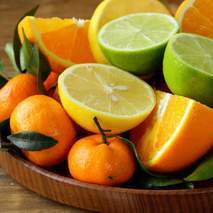

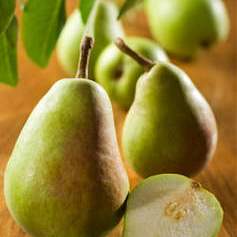
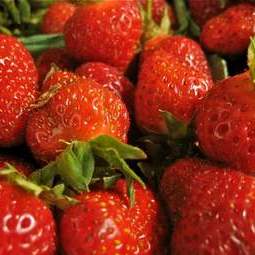
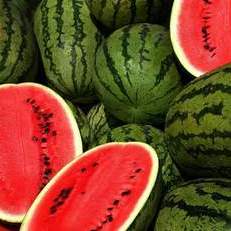

| Sr. No. | Groups | Examples |
| 1 | Berries and soft fruits | Strawberries, grapes and all berries |
| 2 | Citrus fruits or segmented fruits | Orange, sweet lime, pomelos, grapefruits, mandarins and tangerines |
| 3 | Drupes or stone fruits | Peaches, plums, apricots and cherries |
| 4 | Melons | Watermelon and muskmelon |
| 5 | Pomes and hard fruits | Apple and pears |
| 6 | Tropical and subtropical fruits | Banana, guava, papaya, jackfruits, dragon fruits, ncustard apple, kiwi fruits. |
Composition of fruits
- Water: Fruits tends to be juicy because of their high water content which varies from 75 to 90%.
- Carbohydrates: Fruits contain good amount of carbohydrates including sugar, starch, cellulose, hemi-cellulose and pectic substance. Sugar namely fructose, glucose and sucrose gives sweetness to the fruit. Cellulose contributes to the textural qualities of the fruits. The sugar and starch content of fruits differ with the type of fruit.
- Protein and fat: All the fruit have small amounts of protein and traces of fat, which is negligible.
- Vitamin: Fruits are an excellent natural sources of vitamin. The citrus fruit are especially rich in vitamin C. E.g. Guava (212 mg/100 g) and Amla (600 mg/100 g) are excellent and cheap source of vitamin C. The yellow and orange fruits such as mango, papaya, and orange contain vitamin A in the form of beta-carotene in large amounts.
- Fibre: Most of the fruit are rich sources of the fibere.
- Minerals: Some of the fruits are fairly good source of the mineral. Watermelon and custard apple are rich sources of the iron. Dry fruits such as apricots, dates and figs are rich source of calcium and iron.
Pigments
A) Chlorophyll
Chlorophyll gives green color to the fruits, unripe fruits contain more amount of chlorophyll. E.g. green grapes, raw mango etc.
C) Flavonoid
I) Anthocyanins:- Anthocyanins pigment gives red ,purple or blue color to the fruits. E.g. black grapes etc.
II) Anthoxanthis:- Anthoxanthis pigments impacts white or cream color to the fruits. E.g. banana, custard apple and guava etc.
B) Carotenoids
Carotenoids are present in yellow and orange colored fruits. It is not much affected by acid and alkali during processing. E.g. papaya, mango etc.
Ways to retain Color pigments and Flavors of Fruits
- Fruits can be stored at a particular optimum temperature
- Storage temperature various with the type of fruits. E.g. Apple can be stored for a longer time in cold storage
- Fresh fruit absorb and emits odour when refrigerated
- Strong flavored fruits of cut and kept in the refrigerator, must be stored in airtight container to preserve the natural flavors. E.g. Guava
- Fruits juices and cut fruits should be stored or served in non reactive container like stainless still , glass to retain its color, taste and flavor
- To prevent discoloration of cut fruits use sugar syrup, lemon juice. E.g. Cut apple piece.
Flavoring compounds
- Fruits have their characteristic flavor due to presence of many aromatic compounds like organic acids, sugars, esters, minerals etc.
- Orange and lemon contains oil in the outer covering or skin which can be extracted to prepare essence or emulsion.
- fruit contain various acids like , Malic acid, Citric acid, Tartaric acid, etc.
- Sweet flavor of fruit it is due to the presence of sugar.
Changes during ripening and cooking of fruits
A) Changes during ripening
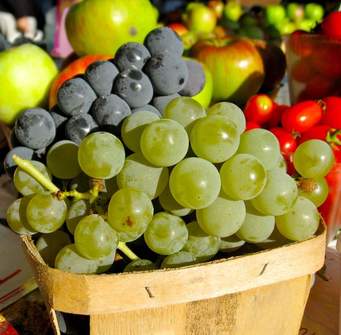
Change in color:- Most of the fruits contain both chlorophyll and carotenoids in their peels. In raw stage chlorophyll is in more amount during ripening, the chlorophyll pigment broken down and carotenoid pigment will get synthesized in some fruits. E.g. ripe mango. In some fruits anthologists are synthesized during ripening.
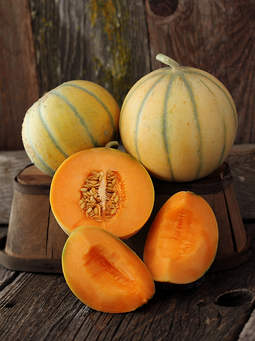
Change in texture:- All fruit contain pectic substance which are cementing substance in between the cell wall. The immature or unripe fruits contain pro-pectin , which is converted to pectin during ripening by the action of enzymes pectinase. Pectin has gel forming ability and hence ripe fruits are used for gel/ pulp making. E.g. Ripened guava. In over ripe fruit the pectin get converted to pectic acid, which does not have same gelling ability.
Development of flavors:- The development of characteristics flavor in the fruits involved a decrease in acidity and increase in sugar. This result in production of volatile substance and essential oils, which gives the characteristics pleasant sweetness to the fruits. The flavor also indicate the degree of ripeness of the fruits.
Changes in soluble solid and taste:- the sweetness of the fruits increase as it rips sugar and also acidity decrease. E.g ripe bananas, mango, etc.
B) Changes during cooking
Cooking results changes in color, flavors , texture, test , appearance and nutrients
- Starch undergoes gelatinization and thickening takes place due to high temperature
- Cooking results in extraction of pectin from the fruits tissues, which helps to gel formation
- Cooking makes the commodities soft, palatable and digestible
- Loss of water and air results in shriveling of the fruits
- While cooking, there is loss of vitamin C, therefore fruits should be preferably eaten without cooking
- Flavors of fruits enhance due to cooking but overcooking may result in loss of flavor
Thank You
Like, Share, Comment
Subscribe us simply by your email
Follow us on
Do Visit Post-Harvest Technology 101 Blog


Well Done
LikeLiked by 2 people
Awesome content.
Keep growing Bhai.
LikeLiked by 2 people