Most of the natural foods have a limited shelf life. Short life span as they contain high amount of moisture. Other food kept for considerable longer time (low moisture) but may get decomposed eventually. Spoilage is the process in which originally nutritional value , texture , flavors etc. of food are damaged. Such food ultimately become unacceptable for consumption. Hence it’s essential to process or preserve foods after harvesting or slaughtering to reduce the problem of foods spoilage.
Definition of Food Spoilage
Food spoilage is the process of change in physical, chemical, microbial and sensory properties of the food so that it becomes unfit for human consumption. Food spoilage is any undesirable change in food and such change can be detected by smell, test, touch or sight.
Classification of Food on the basis of Spoilage
1) Perishable food


These foods are those likely to spoil , decay or rot quickly so that they becomes unsafe for the consumption unless special preservation method are used . Perishable commodities usually required same sort of refrigerated storage.
E.g.- dairy products, eggs, eat, fish, fruits and cooked food and leftover.
2) Semi- perishable

semi – perishable food are those that do not require refrigerator, having medium level of moisture but still have a limited shelf life.
E.g.- potatoes , apple , onion , etc.
3) Non – perishable


Foods that do not spoil under normal conditions for a reasonable long time ( contain low moisture) are known as non – perishable Foods. These foods have long shelf life and don’t require refrigeration.
E.g.- grain, flour, sugar, pulses, toast, biscuits, etc.
Signs of Food Spoilage
Food deterioration/spoilage is manifested by the reduction in aroma, flavor, texture and nutritional value of food. Different types of undesirable change may occurs due to Spoilage in food are listed as follows…
- Change in color : The fruits like banana turn black after storing for a long time and reduce the acceptability of the food.
- Change in smell : Rancid smell of spoil ed oils, fatty food, bitter smell of curd or sour smell of starchy food. (Rancid samosa, potatoes wada, chakli, etc.)
- Change in consistency : Curdling of milk, stickiness and undesirable viscosity in the spoiled cooked legumes, curries and vegetables.
- Change in texture : Some vegetables like potatoes, brinjal, carrots etc. undergoes too much softening leading to rotating, change in firmness. Lump formation take place in powdered material (milk powder, wheat flour).
- Changes due to mechanical damage : Mechanical damage such as eggs with broken shells, bruising of the fruit and vegetables during harvesting, packaging, transportation and handling causes damage.
Factors affecting Food Spoilage
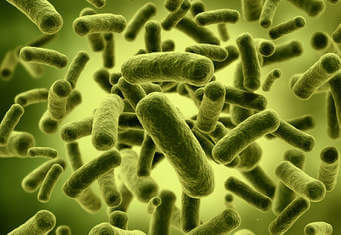
A. Microbes
Some microbes are harmful & can cause diseases, these microbes are called Pathogens.Food can get contaminated by any means like Cooking at unhygienic places, unclean utensils, wet or unhygienic storage areas or if it is open and not stored well. The best grow at room temperature (28° to 38°C). They can grow on foodstuff without any noticeable changes in it like taste, smell & texture.
We can avoid the growth of these microbes by good hygiene practices, well-keeping methods, etc. E.g. Keeping food in a refrigerator keep it good for a long time, because these pathogens are unable to grow at that temperature.These microbes can be bacteria, yeasts, or molds.
B. Enzymes
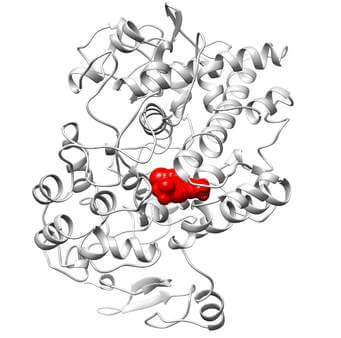
Enzymes are the biological catalysts (which increases the reaction rate) which are present in nearly all food products as they are in our body. These enzymes increase the rate of chemical reactions occurring in the food products, hence food gets spoiled easily & naturally due to the presence of enzymes. The changes due to enzymatic activity are noticeable like change in color, flavor, texture.
E.g. Softening of bananas, browning of cut apple slices.These enzymatic actions can be stopped by various methods like deep freezing, vacuum packing, etc.
C. Air
Air and mainly Oxygen (O2) is the biggest enemy of food. If food is present in the open air, the chances of contamination increases because microbes are freely moving in the open air. Also, various gases can increase the enzymatic actions in foodstuff like due to the presence of Oxygen, rancidity of oils takes place, also decolorization occurs. Oxygen is necessary for major pathogens for growth, so they also get that from open air.

D. Light
Some food products are light-sensitive, so companies mention to avoid direct contact with sunlight or light. Some food has molecules that can get react when the presence of UV rays of the sun. This can cause changes in color and flavor. Also, sunlight increases the rate of oxidation.
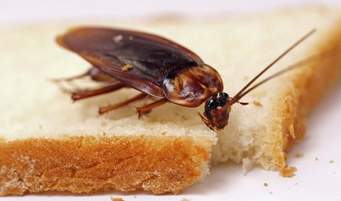
E. Insects or Rodents
These are some major problems in large food storage services. These animals can enter storage easily and damage food packaging. They can also cause contamination of pathogens. E.g. Many food poisoning cases occur due to cockroaches.
To avoid this damage, regular pest control is necessary, mainly in large storage areas also in houses.
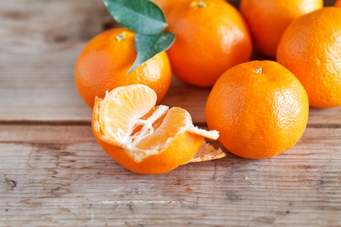
F. Physical Damage
Damage to foodstuff is common during the handling of food. It can occur during cooking, transportation, processing, cleaning, or any other way. Damage of fruits and vegetables get access to air, microbes, light and it’s spoilage takes place.
By simply improving the quality of food handling, we can avoid these damages.
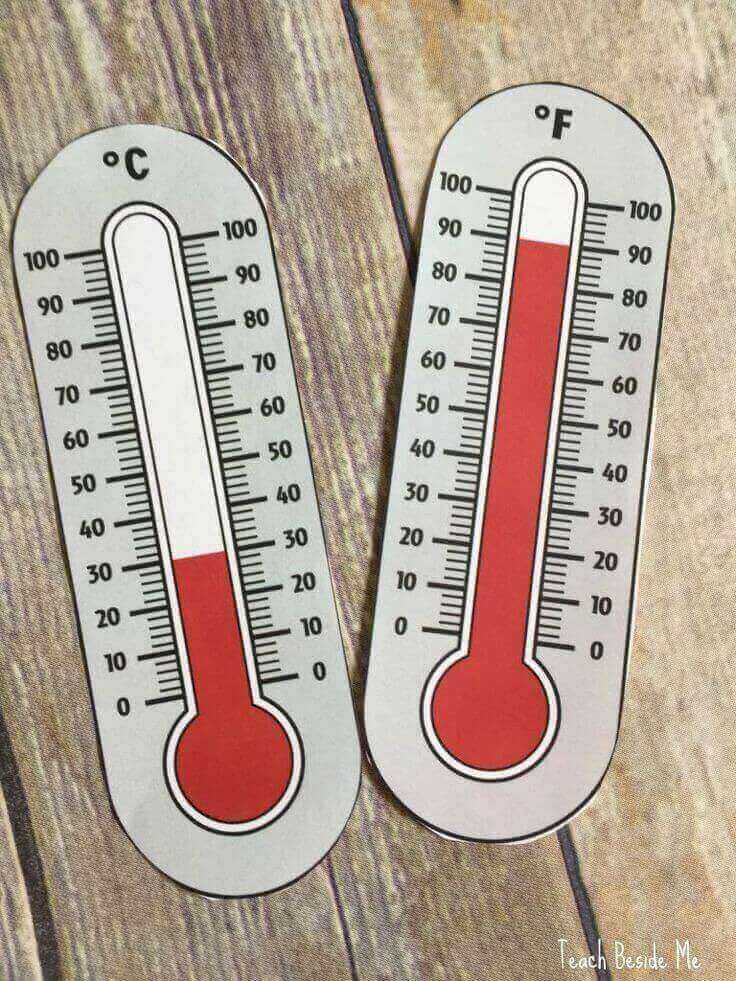
G. Temperature
At higher temperatures, food can spoil easily. The natural protective cover of all fruits and vegetables can get destroyed. These can also increase chemical reactions in food, microbial growth, etc.
Therefore, proper food storage at a low temperature below 7°C is necessary (Mainly in the refrigerator)
H. Time
Microorganisms required optimum time, temperature, atmosphere to grow. Under favorable conditions like temperature, pH, moisture, gases, microbes can grow easily in foodstuff.
Like, Share, Comment on Blog
Subscribe us simply by email
Follow us on
 Food Tech 101
Very Informative
LikeLiked by 1 person
Very nice
LikeLiked by 1 person
It is really helpful to us.
LikeLiked by 1 person
Nice information.
LikeLike