The acceptability of different food products varies for every individual. However, it depends upon various factors, are the following
1. Palatability of Food
Food palatability is a combination of taste, texture, flavor, color, temperature, and composition of Food. Let’s study in detail
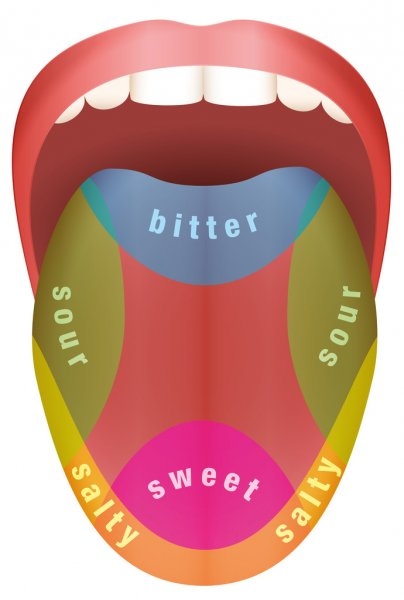
1.A. Taste
Sweet, sour, bitter, and salty are the basic tastes and their combinations can be sensed by our tongue. When we put any piece of food in our mouth, our taste buds on our tongue get stimulants, and we can sense it. These senses are more highly developed in some individuals. Our tongue has various regions to sense different tastes.The taste of food gets enhanced when the correct proportion of these various tastes occurs in food.
1.B. Flavor
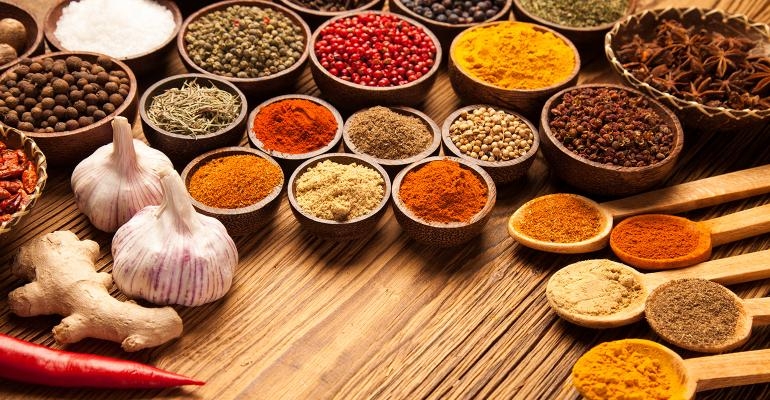
The flavor is a combination of both Taste and aroma. Sometimes, we refuse food because it’s the aroma however it tastes good. Each Food has various ingredients, so it gets its unique flavor.
Flavor improvement methods
Cooking – This is the most common method we use both in households and industry. Cooking brings out the flavor of food which does not get as a raw form. We use numerous methods and practices to cook the food both modern and traditional.
Addition of Natural Flavoring Compounds – Spices are the most familiar to us to enhance the flavor of the food like clove, cinnamon, turmeric, chili, etc. Also, some herbs (coriander, garlic, onion) and other methods like wood smoking, use of various natural oils are some practices used to get the unique flavor.
Addition of artificial flavoring agents – Artificial essence such as cardamom,nutmeg, vanilla, rose, etc. are used in preparations such as ice-creams, puddings, beverages, cakes, and sweets.
1.C.Texture
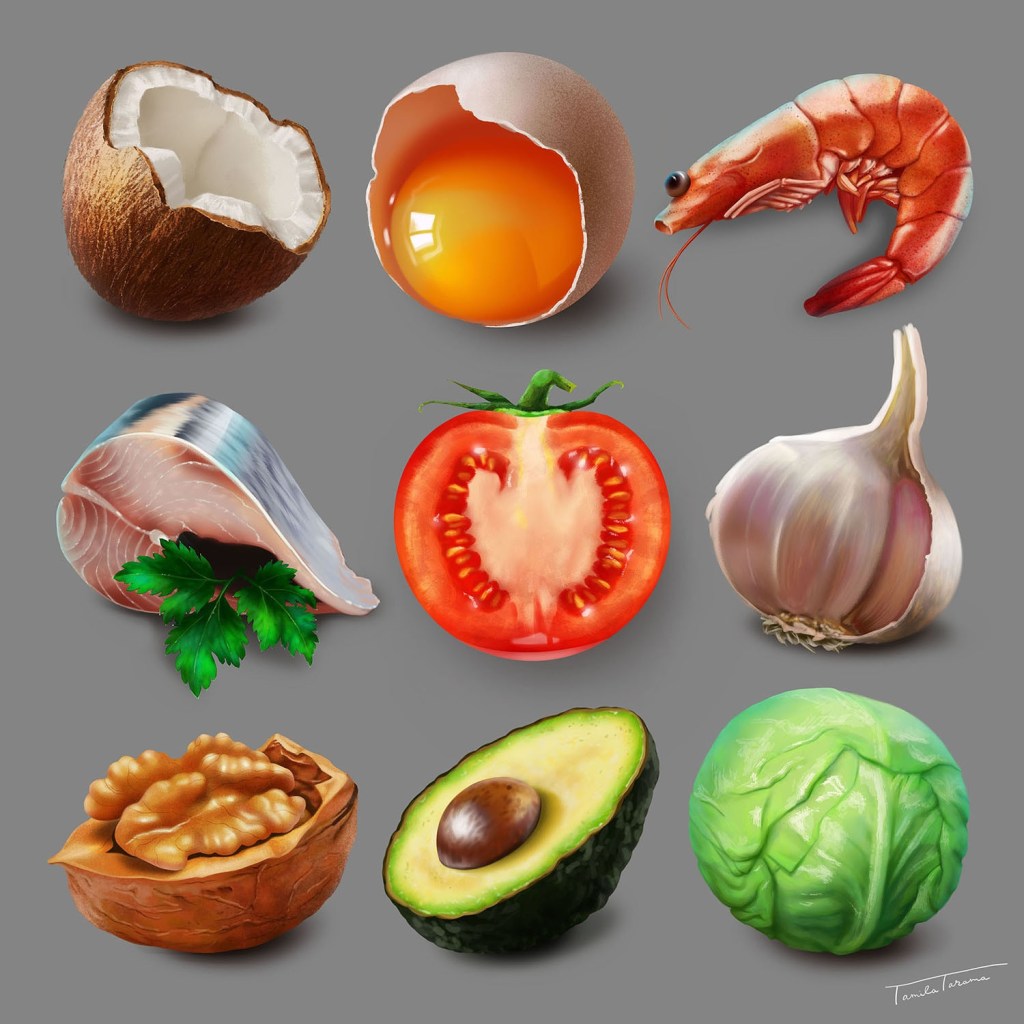
The structural component of food confers on them a wide range of properties referred to collectively as texture. The texture of food is an important factor in its acceptance and chew-ability. Each food has a characteristics texture associated with it. The table shows different textures with some food products associated with them. The texture of food depends on the ingredients used, their proportion, method of preparation, time, and temperature used during preparation, and storage.
1.D.Color
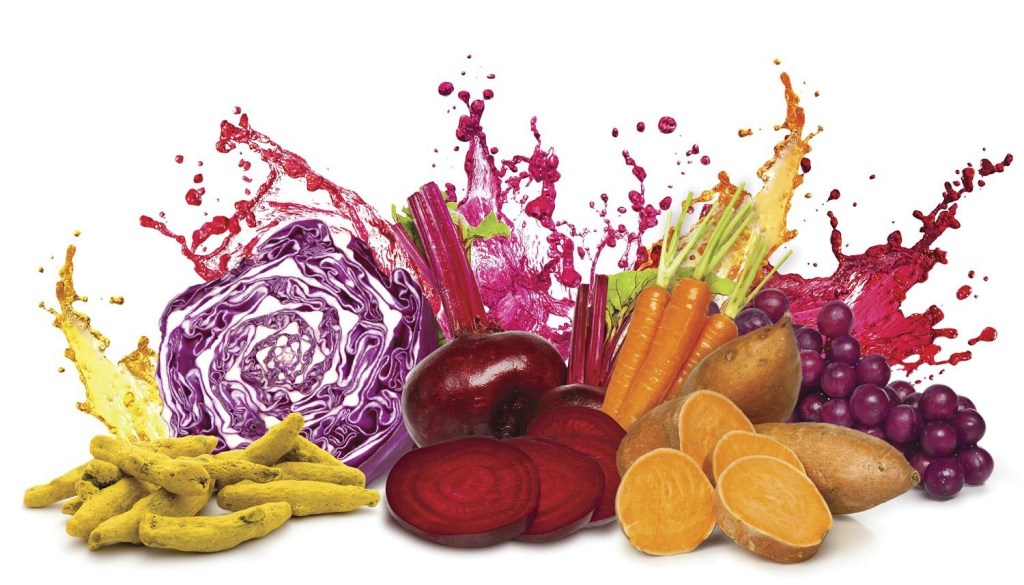
Acceptability of food depends upon its color. Natural and synthetic color improves the color of food products. Preserving the natural color of food by optimum cooking of food is also essential to retain the natural color of the food products.
Method to prevent or enhance food color
Preserve the natural color of foods – This can be achieved by the optimum cooking of food. Overcooking may result in highly unpalatable, pale, or dark-colored food.
Use of foods containing natural color – To make the preparation more attractive, natural, certain bright colors can be added to food preparation like green, yellow, red, white, and other colors.[Natural color of Saffron (orange),Turmeric (yellow) and Spinach (green) etc.]
Use of spices – Spices like turmeric, chili powder, and saffron are used in food preparations to improve the color.
Use of synthetic colors – Synthetic color is added to a beverage, ice-cream, sweets, cakes, biryani, etc. to improve the color thereby increasing physical quality and the palatability of food preparations.

1.E. Temperature
Hot and cold sensations contribute to the composite flavor of food like coffee, soup, and ice-cream, etc. Acceptability of food is highly influenced by temperature.
2. Socio-cultural background
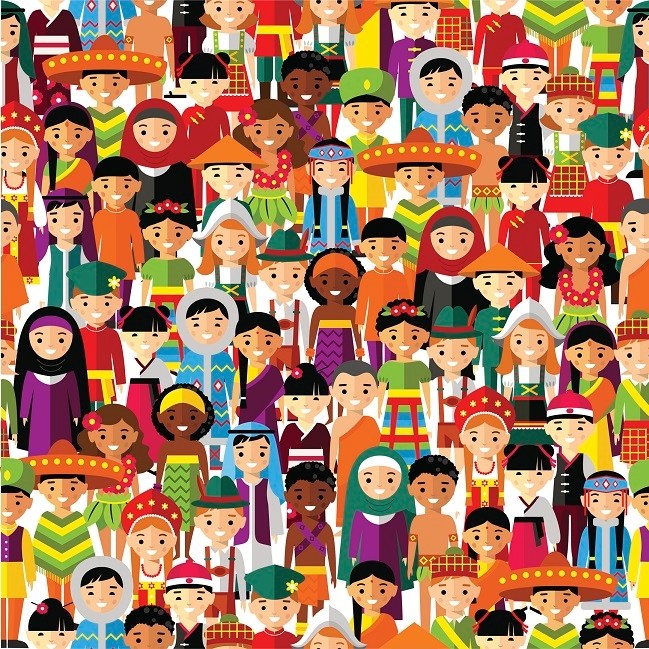



Food is an integral part of the social-cultural life of the people. The circumstances under which one eats food are largely determined by his culture
e.g. use of mustard oil for cooking is common practice in North-India whereas coconut oil is commonly used in Kerala. Where a wine is an integral part of European culture whereas alcohol is not considered good in Arabic countries.
Hence socio-cultural background has to be kept in mind while serving food to see that it is acceptable and liked by everyone.
3. Personal likes and dislikes



People belonging to the same geographical area or same socio-cultural background may have similar eating patterns, but acceptance for food may vary from person to person. Personal likes and dislikes are also noticed within the members of the same family. Hence, while preparing a meal, a judicious selection of foods and dishes is necessary, considering the likes and dislikes of all family members. Personal likes and dislikes are the most important aspect.
4. Method of serving
The use of the right type of crockery, cutlery, and another serving utensil in the dining area appreciably improves the acceptability of food. Each community has a particular traditional way of serving food.
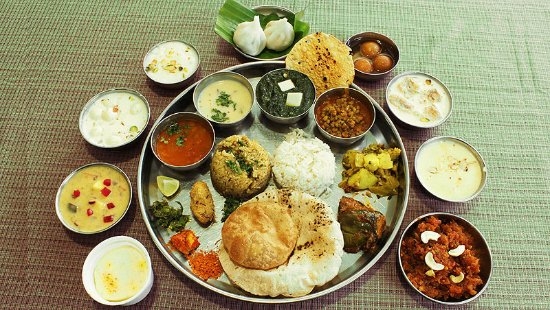
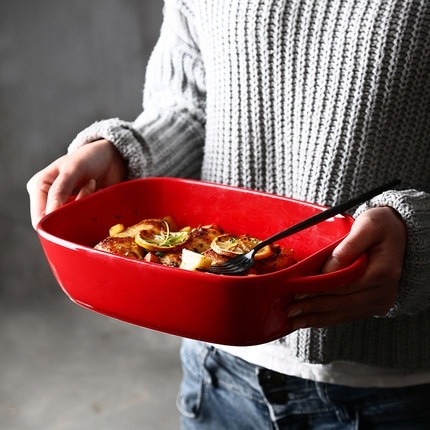
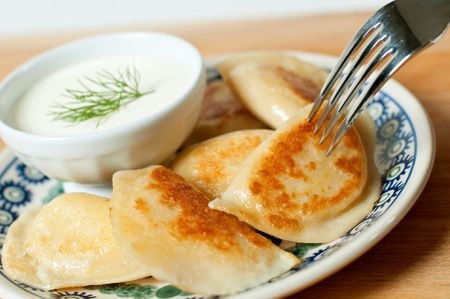
Example – Maharashtrian Thali, Rajasthani thali. Similarly, continental dishes should be served in proper crockery with appropriate cutlery like knives, forks, spoons, and bowls.
5. Feeling and emotions

The feeling and emotional state of an individual affects the acceptability of food. In a happy state of mind, an individual consumes more food, whereas in stress a person may overeat or avoid food.
6. Environment
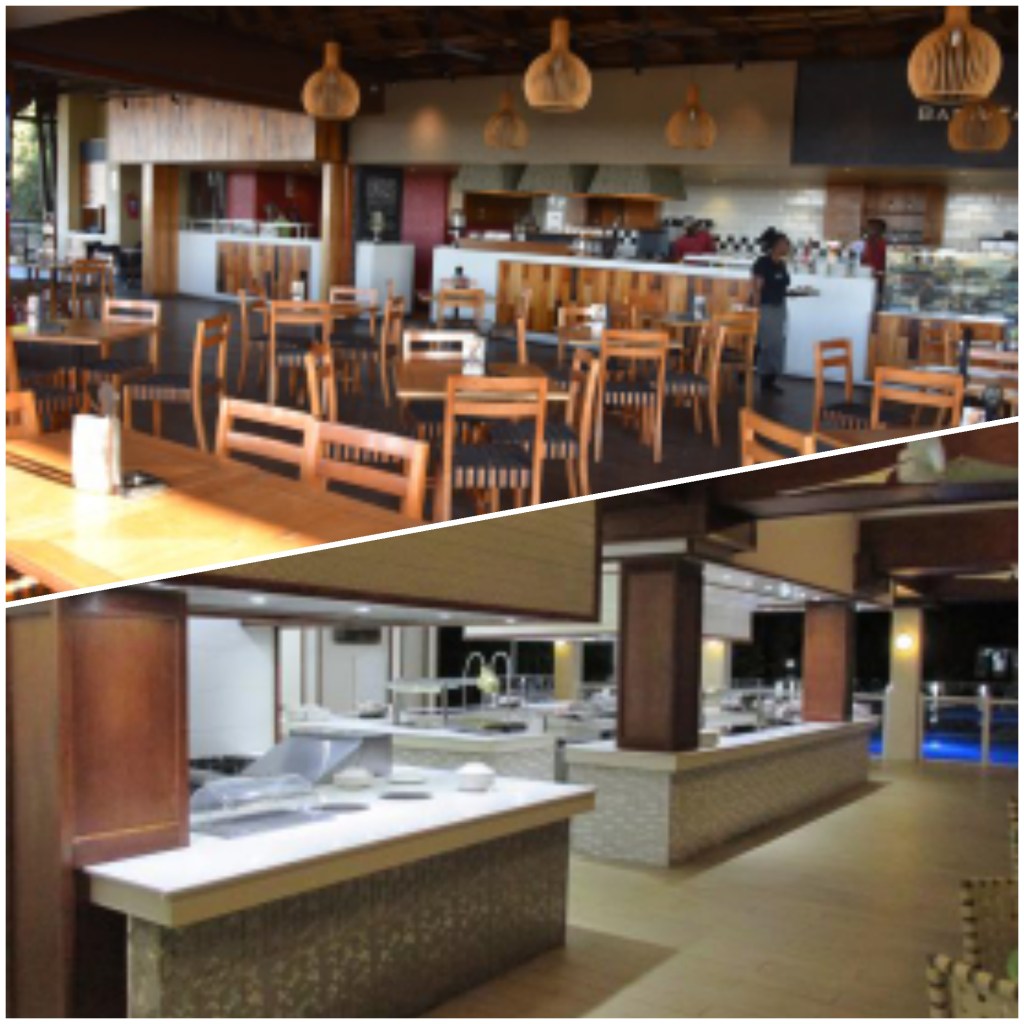
Cleanliness of the area, serving utensils, and the person who is serving food affect the acceptability of food. Clean, hygienic, and pleasant environment increases the acceptability of food. Well ventilated and well-lit eating area is necessary. The food that is served with love and affection is more acceptable.
FOLLOW US ON


very very good nice sharing information.
LikeLiked by 1 person
Thank you
LikeLike
Good job……. Go ahead
LikeLike
👍
LikeLike
Every thing is good
LikeLike
Very Good and well defined information.
LikeLike
This is a very well laid out blog, you are doing an amazing job.
LikeLiked by 1 person
Very greatful to you.
LikeLike
Nice
LikeLiked by 1 person
Thank you
LikeLike
👍👍👍👍
LikeLike
👍👍👍
LikeLiked by 1 person