What is food fortification meaning ?

Define food fortification
Fortification is the addition of nutrient of food to improve the quality of the diet of group community or a population.
This includes the process of adding small quantities of nutrients to a food to improve the nutrient intake of a population – (WHO)
History of Food Fortification in India
- In 1953 fortification of hydrogenated vegetable oil (vanaspati) with vitamin A & D was mandated.
- In 1962 – Mandatory salt iodization began as part of the national goitre control program. In 1983, universal salt iodization was mandated by the Government of India. Today, 78% of households consume adequately iodized salt.
- In 2000, wheat flour fortification started in west bengal. since then, 11 other states introduced fortification.
- In 2016 , FSSAI drafted guidelines for the fortification of food that includes Rice, Wheat flour, Milk, Salt & edible oil.
Need for food fortification
- Poor choice of food or unhealthy eating habits.
- Risk for one or more micronutrient deficiencies.
- Lifestyle differences.
- Risk of micronutrient deficiencies in women of childbearing age, young children, the elderly, and those recovering from illness.
- Public health benefit.
- Addition of micronutrients to a food which are lost during processing.
Do you know ?
India shares a Disproportionate number of micronutrient deficiency -related health risks such as Neural tube defects (NTDs), Blindness and Anemia which affect the over 2 billion people worldwide.
Objectives of fortification
Restore nutrients lost during processing of foods so that the nutrient content is maintained to a level originally present in the raw food i.e. Restoration. Eg. addition of vitamin C to fruit juices.
Additional nutrient in widely consumed primary food which are deficient in one or more nutrients to improve nutritional quality of the food to ensuring improvement in nutrients intake i.e. Enrichment. Eg . Grains are fortified with vitamin A, Iron and folic acid.
Advantages of fortification
- It can produce nutritional benefits for populations in short period of time
- It is safe because quality of micronutrient added is small
- It is cost effective especially if advantages is taken of the existing technology
- It’s impact is extensive
Basic requirements of fortification
- Selection of an appropriate food item which should be consumed by large population which is at risk of deficiency
- It should be cost effective and could be centrally processed
- It should be stable during storage and distribution
- It should be acceptable by the masses
- It should not adversely affect the metabolism of any other nutrients & not impart any undesirable characteristics such as color, odour or taste to the food
Fortification Technology
- Dry mixing :
- For foods like cereal flours, and their products. Powder milk and beverage powdered
- Dissolution in water :
- For liquid milk, drinks, fruit juices, bread, pasta, cookies
- Spraying :
- For corn flakes and other processed foods requiring cooking and extrusion steps that would destroy vitamin activity
- Dissolution in oil :
- For oily products such as margarine
Types of food fortification
Mass fortification is when micronutrients are added to foods commonly consumed by the mass population such as cereals and condiments
Universal fortification is when micronutrients are added to food consumed by animals as well as people such as with iodization of salt
Targeted fortification exist in such areas as school food programme, for example a cracker is specifically fortified with targeted age group
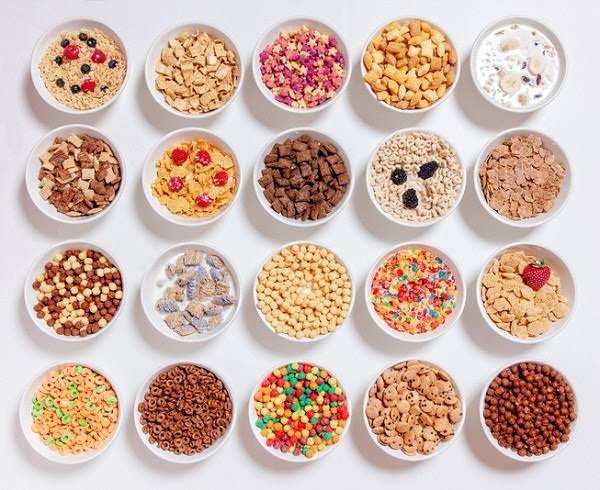
Examples of Food Fortification
- Convectional fortification
- Staple foods (flour, sugar, milk, oil, rice)
- Dairy (milk , yogurt)
- Spreads (Margarine)
- Condiments (salt)
- Home fortification
- crushable tablets
- Powder
- Microbial Bio-fortification
- Agriculture products ( Rice, maize, sweet potato)
- Some well-known examples of fortified foods and the nutrients they are often fortified with are :
- Eggs- Fortified with omega- 3 fatty acids
- Almond milk- Fortified with Calcium, Vitamin A and Vitamin D
- Rice – Fortified with Iron
- Orange Juice- Fortified with Calcium and Vitamin D
- Table Salt- Fortified with Iodine
- Sliced Bread- Fortified Folic Acid
Benefits of Fortified Foods
- Most important to prevent nutritional deficiency
- Provides Nutrition Without Any Change In Characteristics Of Food
- Help to maintain body Stores Of Nutrients
- Cost-Effective Intervention
Do you know difference between food fortification & food additives ?
Food additives
is defined as non-nutritious substances which are added intentionally to food, in small quantity to improve its appearance, flavor, texture and storage properties. where as
Food fortification
is the process of addition of nutrient to improve the quality of the diet of a group, community or a population.
Food fortification by FSSAI act 2000, regulations 2016
The draft for wheat flour fortification is in line with global fortification recommendations for iron, vitamin B12 & folic acid.
- These regulations set the standards for food fortification and encourage the production, manufacture, distribution, sale and consumption of fortified foods.
The Food Safety Standards Authority of India (FSSAI) drafted guidelines for the fortification of food that includes rice, wheat flour, milk, salt & edible oil.
- They also provide for a specific role of FSSAI in the promotion for food fortification & making fortification mandatory.
Food fortification challenges
- Policy : Efforts to create a policy environment for making compulsory fortification a national agenda.
- Setting standards– RDA of micronutrients as standards or choosing a level that will prevent clinical signs or reduce inadequacy of specific biomarkers.
- Selecting the best combinations of micronutrients that will reduce anaemia and improve functional outcomes.
- Partnership with Industry to Scale up the translatable technologies
Conclusion of food fortification
Food fortification is an essential element in nutrition strategies to alleviate micronutrient deficiencies.
It is a dynamic area developing in response to the needs of population groups and industry.
Efforts should continue to develop improved and new systems of delivering micronutrients to target populations through appropriate fortification procedures.
To facilitate this, those involved in the establishment of food fortification programme locally must have ready access to information concerning fortification techniques and procedures being used all over the world.
Inspire your inbox by Subscribing Us !!
 Food Tech 101
👍
LikeLike