The term “meat” refers to the muscles of warm-blooded terrestrial four-legged animals, the chief ones being cattle, sheep and pigs. Meat also includes the glands and organs of these animals. Meat is rich in most of the nutrients required by man. The world demand for meat is growing steadily, because of preference based on payability.
Definition of meat — meat may be defined as ‘the muscles of warm blooded terrestrial four legged animals, the chief ones being cattle, sheep, pigs and rabbits’.
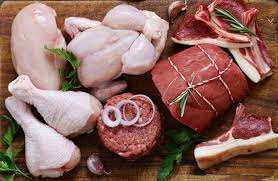
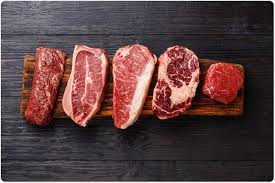
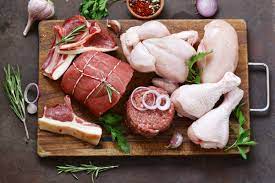

Types of Red Meat
- beef
- lamb and mutton
- pork
- veal
- venison
- goat
Classification of Meat Products
4 main types of meat products
- Organ
- beef
- Pork
- Mutton

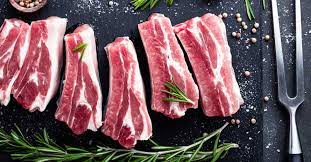
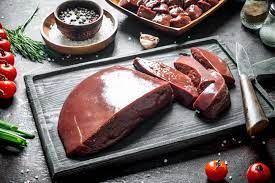
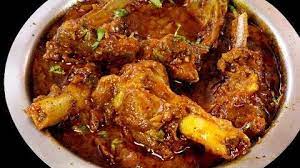
- Organ meats
- Liver, kidney, heart, thymus, pancreas and brain etc. And organ meats are less expensive and more nutritive
- Beef
- Meat of cattle over 1 year old.
- The quality of meat from steer and heifer is the same if the animals are of the same grade.
- Pork
- It is the meat of swine. good quality pork is obtained from animals between the ages of 3 to 12 months, before the amount of fat becomes excessive.
- Mutton
- Flesh of young ovine animals of both sexes whose age is 12 months or under.
- Sausages
- These are made of ground or minced meat. Mostly cured meat and, to a lesser extent, uncured meat are used for this purpose.
- The cooked and smoked sausages are known as table-ready-meats.
Structure of Meat
Meat mainly consist of 5 main things as follows…
Muscle tissue
- It is composed of muscle fibres.
- These are made up of cells which contain protein called actin and myosin.
Connective tissue
- Bundles of muscle fibres are held together by creamy white connective tissues.
- These connective tissues are spread throughout the muscles.
- Connective tissue is made up of collagen and elastin which are fibrous proteins.
Fatty tissues
- Fat is deposited in the fat cells. From these fatty cells, fatty tissues are formed.
- Fatty tissues are found around various organs like kidney, heart, liver and under the skin.
Bone
- Bones are mainly composed of bone tissues. Organ meats do not contain bones.
Blood vessels and nerve tissue
- These are distributed within connective
- tissues and bones.
Composition of Meat
- Protein — Muscles contain 15 to 20 percent protein. The lean meat contains 20 to 22 % proteins
- Fat — The fat content of meat varies from 5 to 40 %
- Carbohydrate — glycogen (animal poly-saccharide) & glucose
- Water — About 70 to 75 % of meat muscles is composed of water
- Vitamin — Vitamin A, D, E and K
- Minerals — It is a good source of phosphorus, iron and copper
- Pigments — Myoglobin (oxygen transporter in muscles) and hemoglobin
Effect and Changes during Meat Cooking
- Melting of meat fat
- Dissolution of collagen in hot liquids to become soft gelatin
- Tissue softening and muscles fibre separation.
Cooking destroys the microorganisms and the naturally occurring enzymes. Denaturation of protein takes place. At high temperatures, there is a considerable shrinkage of meat, toughening of protein and loss of juiciness. t also brings about changes in color, flavor and tenderness owing to changes taking place in meat fibre and connective tissue.
Methods of cooking meat
Meat is cooked by dry heat and moist heat methods of cooking. Cooking meat increases its shelf life. There is also a change in color, tenderness, flavor, juiciness and nutritive value.
Post-mortem Changes in Meat
Postmortem changes in meat in following steps…
- Muscle is a highly specialized tissue it converts chemical energy to mechanical energy.
- ATP is derived by the oxidation of carbohydrates and lipids.
- Because of Oxygen insufficiency, In glycolysis, glycogen is converted into pyruvate and this is then reduced to lactate and lactate converted into glucose.
- The increase in lactic acid concentration results in decrease in pH of post-mortem muscle.
- The muscle passes into a state known as rigor mortis (stiffness of death)
- These post-mortem effects bring about changes in the quality attributes of meat, such as texture and water-holding capacity, color and flavor.
Thank You !
SUBSCRIBE US NOW !
 Food Tech 101
👍
LikeLiked by 1 person