Milk and milk products form an essential part of diet. They are excellent source of fat, protein, minerals (calcium, phosphorus) and vitamin (riboflavin). Cow is the principal sources of milk for human consumption in many parts of the world. Important sources of animal milk are buffalo, goat, sheep, camel etc. India is the largest producer of milk.
Definition of milk — Milk is the biological liquid secreted by mammary gland of mammals
Benefits of Milk
- Milk is a nutrient-rich food that provides calcium, protein and Vitamin D.
- Protein provides energy, and calcium and Vitamin D help build strong bones.
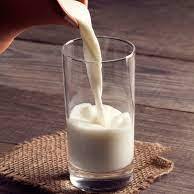
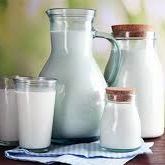
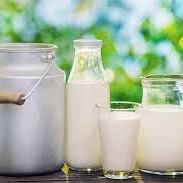
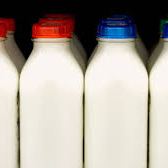
Types of Milk
- Whole milk
- Toned Milk
- Double Toned Milk
- Standardized Milk
- Flavored Milk
- Full Cream Milk
- Skimmed Milk
- Organic Milk
Composition Of Milk
Major components of milk – water, protein, fat, carbohydrates, vitamins & minerals
- Water — Milk contains 81-88 % water, present is in a liquid state.
- Protein — All milk contain approximately 3-4 % of protein. The main protein in milk is casein. Whey is globular protein.
- Fat — The fat content of milk varies from 3.5 % in cow’s milk to about 6.5 % in buffalo’s milk.
- Carbohydrates — Milk contains about 4 – 5 % carbohydrates. Milk is the only source of lactose and no other food contains it, hence lactose is called as milk sugar which gives sweet taste to milk.
- Minerals — The important minerals present in milk are calcium, phosphorus, sodium, potassium and iodine.
- Vitamins — Milk is a good source of both fat soluble and water soluble vitamins . Such as riboflavin , niacin , ascorbic acid , vitamin D
Processing Of Milk
1. Pasteurization
Pasteurization is a process which consists of heating milk to certain temperature for a definite time to ensure destruction/killing of pathogenic bacteria and enzymes, destroys about 99 % of all bacteria, yeasts and molds.
There are three methods used to pasteurize milk
1. Holding Method (Batch type) : LTLT
Milk is heated to 62.8 ° C temperature and holding it for 30 minutes.
2. High Temperature Short Time method (HTST) :
Milk is heated to 71.7°C temperature for 10 – 15 seconds.
3. Ultra High Temperature Method (UHT) :
Milk is heated to 137.8°C temperature or more for 1 – 2 seconds.
2. Homogenization
Homogenization, a the process of breaking down fat globules into tiny particles in milk so that they stay integrated rather than separating as cream.
Homogenized milk has a creamier thick consistency, bland flavor and whiter appearance.
Milk Homogenization is important process in manufacturing commercial products like Standard milk, ice-cream etc.
3. Sterilization
Milk is heated to a high temperature of 148.8°C and held for 2 to 3 seconds. It assures complete destruction of micro-organisms (bacteria, yeast and mold). Sterile milk is very useful for extended shelf life where refrigeration is not available.
4. Concentration
Condensed milk is one which has been concentrated from full cream milk by removal of its water with or without addition of sugar.
Eg. Skim milk (Vacuum concentration process) — Skim milk is a milk from which fat has been removed. Fat content is reduced to 0.5 – 2 % by centrifugation. Skim milk is used for low calorie diets and for children who need high protein.
5. Drying
Drying of milk is done by two methods
- Roller or drum drying — Milk is sprayed on the surface of the heated metal cylinders in vacuum chamber under low temperature.
- Spray drying — The milk is sprayed into a chamber of hot air by counter current flow.
Effect of Heat, Acid and Enzyme on Milk
Effect of heat
Heating of milk is done to kill the pathogenic microbes and inactivate enzymes present in it. Milk boils at about 100.2 °C. When milk is heated in open vessel, a scum (malai) is formed on the top of the milk
Effect of acid
Casein is present in milk at pH 6.6 has calcium caseinate. When the acidity of milk increases either by the addition of acid or by natural souring, casein is precipitated and coagulated. E.g. curd, paneer
Effect of enzyme
Rennin, an enzyme secreted in the young calves intestine, after adding to milk, brings about the coagulation of milk protein. Coagulation of milk by rennin depends on temperature, pH, salt and heating of milk before enzyme action.
Different Milk Products

add some key words or questions
- Fresh milk, skimmed milk, toned milk, condensed milk, flavored milk, etc.
- Cream, butter, khoa, ghee, channa, paneer
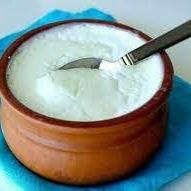
- Curd (Dahi), yogurt, lassi, buttermilk, chakka, shrikhand, cheese, etc
- Ice-cream, kulfi, softy, etc.
- Dried and condensed milk products -Milk powders (whole milk, skim milk), whiteners, etc.
- Dairy byproducts — casein, caseinate, whey, whey concentrate, lactose, ghee residue, etc.
Curd (Dahi) : major product in India
Preparation – milk is boiled and cooled to 35° – 40°C temperature and then little curd is added as starter culture from an earlier batch.
Science behind – Streptococcus micro-organism present in the starter curd (culture) multiply and convert lactose to lactic acid which gives sour taste.
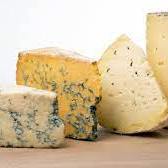
Cheese
Made by coagulating milk with acid or rennin or both, desirable flavor and texture of cheese is obtained by a process called curing or ripening. Cheese is classified as hard, semi hard and soft cheese.
Some important types of cheese are cheddar, swiss, gouda or dutch, cottage, mozzarella, camembert etc.
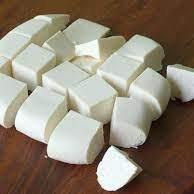
Paneer (Indian cheese)
Obtained by acid coagulation of milk. Milk is coagulated by adding about 1 % citric acid, lemon juice or vinegar to hot milk.
Paneer is obtained by pressing the coagulum and removing the whey. Paneer is also called as Indian cheese.
Khoa
Milk is boiled in a small shallow, round-bottom iron pan stirring continuously in a circular motion with a scraper. During this process, proteins coagulate due to heat.
The yield is about 20 – 25 % of the weight of the milk used. It is slightly brown in color, has a sweet taste and pleasant odour.
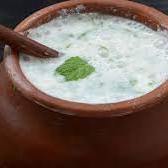
Butter milk
It is obtained by adding water to curd and churning it or as byproduct in the process of preparing butter.
Cream
Milk fat separated from milk by centrifugation is called as cream. Cream used for making butter usually contains 25 – 40 % fat.
Butter
Butter is an important dairy product in India. It is made from milk cream. The fat content of butter is generally 80 %.
Milk powder
It is prepared form either whole milk or skim milk. Milk can be dehydrated to obtain milk powder which contains moisture 3-4 %.
Chakka
Curd is tied up in muslin cloth. All the water is allowed to drain out by hanging it for about 4 to 6 hours. The solid mass that remains in the muslin cloth is known as chakka.
Top 10 Dairy products in India
- Amul milk
- Amul butter
- Cheese
- Mozzarella cheese
- Curd
- Butter milk
- Khoa
- Paneer
- Flavor milk
- Lassi
Thank You !
SUBSCRIBE US NOW !
Rate Us
Email – foodtech101web@gmail.com
+91 91726 81949
+91 97641 19443
Contact Us
Follow Us On...
 Food Tech 101