Vegetables are those plants or parts of plants that are served either raw or cooked as part of main course of meal. Vegetables are called protective food as they are rich in Vitamin and Mineral. Vegetables are very important part of our diet since our existence. It is Important to study Post Harvest Technology for Vegetables.
In this blog, we are going to study about vegetables by every aspect of Food Science & Technology.
Classification of vegetables



| Type of Vegetable | Advantages | Examples |
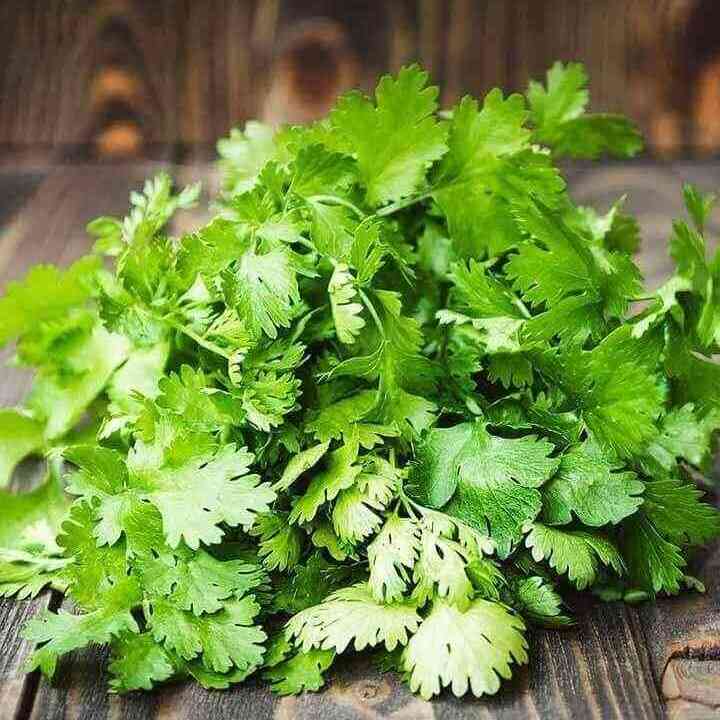
| Green leafy vegetables | 1. Have a high water content 2. Fresh and crispy 3. Low in calories and protein | Spanish, cabbage celery |
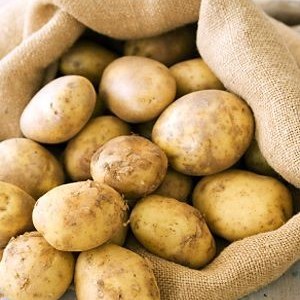
| Roots, Tubers and Bulbs | 1. Rich in carbohydrates due to presence of carbohydrates in the form of starch 2. Can be preserved for a long time due to low moisture content | Beetroot, carrots, potatoes, sweet potatoes, onion, garlic |
| Fruit vegetables | 1. Have higher amount of moisture (highly perishable and tender) 2. Rich in fibre | Cucumber, tomato, ladies finger, brinjal, pumpkin, green chili, drumstick |
| Seeds | 1. Tender seeds of leguminous family are used as vegetables 2. Rich in protein as compare to the fresh seeds | Peas, beans, tender legumes |
| Flowers, Stems and Shoot | 1. These vegetables add variety in the diet 2. Provides a variety of vitamins and minerals especially when used in a raw form as salads | Flowers – cauliflower, broccoli, banana flower Steam and shoot – Lotus stem, colocassia steam |
Composition of Vegetable
Water
Most of the vegetables have high water content. They remain fresh and crispy due to the presence of water mostly greater than 75%.
Carbohydrates
Carbohydrates provided by the vegetables are from starch and sugar in variable amount. Root and tubers contain a high amount of starch and as they mature stars get converted into sugar.
Protein & Fibre
Vegetable provide less protein. Seeds family (pea and beans) are important source of protein. These are very good source of fibre which increases Gut health.
Fats
Vegetable have negligible amount of fat. Therefore, this are good for a low fat diets.
Vitamins
In green leafy vegetables vitamin A and vitamin C are abundant. Yellow and orange colored vegetable provide vitamin A in the form of beta-carotene. vitamin C and beta-carotene contain depend upon freshness of the leaves.
Minerals
Vegetable provide good amount of minerals. Green leafy vegetables provide calcium and iron in sufficient amount.
Pigments in Vegetables
Chlorophyll
Chlorophyll is the green pigment present in plant . It enable the plant to synthesis carbohydrates by photosynthesis in the presence of sunlight and oxygen. Chlorophyll is insoluble in water and soluble in fat.
Carotenoids
Carotenoids include yellow , orange and red orange pigment. They are fat soluble pigments the red pigment in the tomato called as lycopene is included in the Carotenoids.
Flavonoids
Flavonoids are water soluble pigments which includes anthocyanin and anthoxanthene
Anthoxanthene
are water soluble and colorless pigment. They include two pigment i.e flavones and flavonols. These pigments are present in potatoes, onion, cauliflowers and others.
Anthocyanins
are red color pigment which are easily soluble in water. They are present in beat root in the form of betanin.
Changes during Cooking
Vegetable are cooked to software in the cellulose and to increase the digestibility of starch. Cooking mainly change the flavor and make more portable.
Change in Nutrients
Change in Carbohydrates
- Cellulose answer water and becomes soft on cooking.
- Presence of acidic medium toughness cellulose whereas cooking soda soften it.
- On application of moist heat , starch present in vegetables undergoes partial or complete Gelatinization.
- On application of dry heat or frying Dextrinization takes place as seen in potatoes which are deep fried.
Changes in Protein
Though vegetables are not rich source of protein whereas little protein is present that undergoes coagulation.
Changes in Vitamin
- Loss of vitamin takes place due to the following reason.
- Exposure of heat:- Many vitamins such as vitamin C and thymine are susceptible to heat so cooking destroy these vitamins to some extent.
- Oxidation:- Vitamin C rich vegetables when cut and exposed to air undergoes oxidation is this vegetables should not be cut and kept for a longer period.
- Due to solubility in water:- Vegetables rich in water soluble vitamin or cooked in water May loss vitamins significantly.
- Use of cooking soda:-result in loss of B complex vitamin.
Changes in Water Content
- If moist heat method of cooking is used water is absorbed by the vegetables.
- Dry heat methods like baking result in dryness due to the loss of water to some extent.
- In high moisture vegetables like tomatoes, leafy vegetables, water is released from the cells due to the cell breakdown.
Changes in Flavors
Change in flavor of vegetables may occurs during cooking depending on the types of vegetables used.
Ways to minimize quantitative and qualitative losses during cooking of vegetables
- Wash the vegetables before peeling and cutting.
- In order to avoid nutrient losses do not finely chop the vegetables.
- Raw vegetables can be used as salad to add colors, textures to the meal.
- Salad should be prepared just before serving.
- Vegetable should be cooked in just enough liquid.
- Cut vegetables should be added to the boiling water to reduce the cooking time.
- All vegetables except strong flavored vegetables should be cooked food in a closed pan to minimize the nutrient losses.
- Vegetable should be cooked until just done and should not be overcooked.
- To not use soda to retain the green color of leafy vegetables as it results in loss of vitamin C and B complex vitamin.
To prevent enzymatic Browning
- Vegetable like for tatto should be cooked in the whole form with skin.
- Vegetable should be chopped and immediately dipped in water.
- Chopped vegetable should be cooked immediately.
References – Books – Food Science & Technology XI, Food Science, Post Harvest Technology Handbook.
Links – Wikipedia , SlideShare
Thank You. Like, Share, Comment Us…
Subscribe Now, Inspire your Inbox
Follow Us on
 Food Tech 101
Nice
LikeLiked by 1 person